← Home · In-Situ Testing

Field Permeability Testing (Lefranc/Lugeon) in Canberra: AS 1726 Compliance

Together, we solve the challenges of tomorrow.

EXPLORE →

AS 1726:2017 sets the standard for geotechnical site investigations in Australia, and in Canberra, getting the permeability parameters right is non-negotiable. The city sits on a complex mix of Silurian volcanics, deeply weathered shales, and alluvial deposits along the Molonglo River corridor. A desktop estimate won't cut it. We run Lefranc tests in boreholes to quantify hydraulic conductivity in soil and highly fractured rock, and Lugeon tests in cored sections where water loss must be measured under pressure. These in-situ measurements feed directly into dewatering strategies, basement retention designs, and seepage analyses for cuts on projects stretching from Gungahlin to Tuggeranong. For sites where the water table interacts with reactive clays, the permeability profile often dictates the entire earthworks specification. We often pair this with a test pits program to visually log the fracture network before assigning packer zones.

A single Lugeon value reflects fracture connectivity, not just rock mass porosity. In Canberra's faulted volcanics, that distinction matters.

Method and coverage

With a population approaching 500,000, Canberra's urban expansion is pushing into terrain where groundwater management is the critical path item. The Lefranc method uses a falling or rising head in a cased borehole, ideal for the silty sands and residual soils common in the Belconnen and Woden districts. For the stronger fractured dacite and ignimbrite found beneath Black Mountain and Red Hill, the Lugeon protocol is the standard. We perform up to five pressure stages per test zone, tracking flow rates to detect fracture dilation, washout, or laminar flow conditions. The test data gets reduced to Lugeon units or hydraulic conductivity (m/s) on-site, allowing real-time decisions on test depth. A solid permeability profile complements the triaxial strength data when modeling effective stress conditions in cut slopes, and informs the drainage specification behind retaining walls where hydrostatic build-up is the primary failure trigger.
Field Permeability Testing (Lefranc/Lugeon) in Canberra: AS 1726 Compliance
Technical reference image — Canberra

Regional considerations

Canberra sites with a shallow water table and dispersive soils don't forgive guesswork. We've seen basement excavations in the Jerrabomberra alluvium where underestimated permeability turned a manageable sump into a continuous 5 L/s inflow, delaying structural works by weeks. The risk compounds when perched water sits above a dyke or sill, a common scenario near the Canberra Fault. Running a Lefranc test only in the upper soil and skipping the weathered rock transition zone misses the most conductive pathway. The standard Houlsby interpretation for Lugeon tests can also mislead if the packer seal leaks in a rough borehole wall. We always pressure-test the packer zone first and inspect the drill log for karstic features or open joints. A well-executed field test pays for itself against the cost of a failed dewatering system or a buoyancy issue under a raft slab.

Need a geotechnical assessment?

Reply within 24h.

Email: contact@geotechnicalengineering1.co

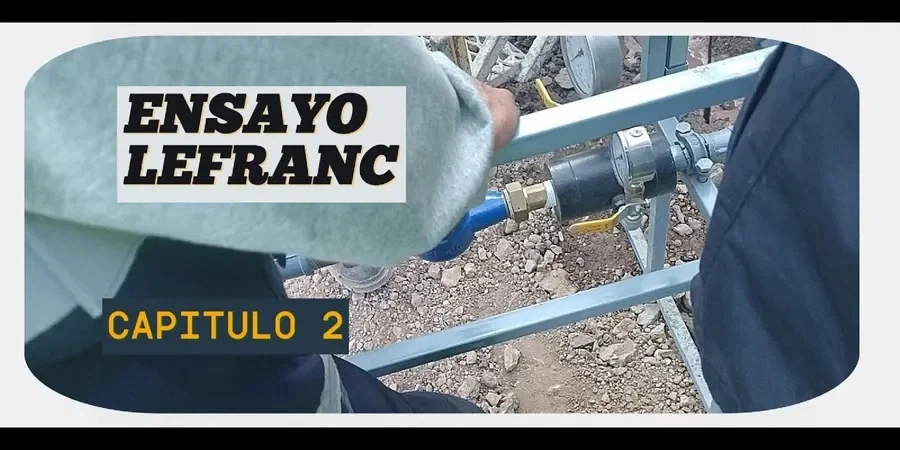
Process video

Technical parameters

ParameterTypical value
Test methodLefranc (variable/constant head) for soil; Lugeon (packer test) for rock per AS 1726
Test mediumCoarse-grained soils, residual profiles, fractured dacite, ignimbrite, shale
Packer configurationSingle or double pneumatic packer, 1.5–3.0 m test intervals
Lugeon pressure stages5 stages (low–high–low) per Houlsby criteria, max pressure limited by overburden stress
Measured parameterHydraulic conductivity k (m/s) and/or Lugeon value (litres/metre/minute at 1 MPa)
Reporting standardAS 1726:2017, with AGS-compliant digital data deliverables
Typical depth range5–60 m below ground level, dependent on borehole stability

Complementary services

01

Lefranc variable head test

Falling or rising head test in cased borehole through soil or completely weathered rock. We measure time vs. head drop to compute k, correcting for casing geometry and drain length.

02

Lugeon packer testing

Multi-stage pressure injection test in NMLC or HWL cored rock. Single or double packer isolation with real-time flow vs. pressure plotting to classify fracture flow regime.

03

Dewatering parameter report

Synthesis of permeability data into a hydrogeological model. We deliver k values per unit, Lugeon profiles, and inflow estimates for open-cut or shaft excavations.

Standards that apply

AS 1726:2017 – Geotechnical site investigations, AS 4678 – Earth-retaining structures (drainage and groundwater clauses), Houlsby (1976) – Routine interpretation of the Lugeon water-test, AS/NZS 1170 – Structural design actions (for water table effects on earth pressures)

Q&A

When do I need a Lugeon test instead of a Lefranc test?

Lefranc is for soil and very weak rock where the borehole stands open below a casing. Lugeon applies to cored rock sections (dacite, ignimbrite, fresh shale) where you need a packer to isolate a test interval and apply pressure. In Canberra we often run both on the same borehole: Lefranc in the colluvium and weathered top, Lugeon from the rockhead down.

How much does a field permeability test cost in Canberra?

A single Lefranc or Lugeon test package typically ranges from AU$1,050 to AU$1,590 depending on depth, number of pressure stages, and packer configuration. Mobilisation and drill rig day rate are separate. We quote per borehole with a clear breakdown so you know what each test interval costs.

How long does it take to get permeability test results?

The field test itself takes 30 to 90 minutes per interval once the borehole is prepared. We report preliminary k values the same day if needed for construction decisions. The final AGS-compliant report with interpretation and plots is delivered within five working days.

Which AS 1726 sections cover permeability testing?

AS 1726:2017 references in-situ permeability testing in Section 6 (field investigations) and Appendix D for test procedures. We follow the Houlsby method for Lugeon interpretation and the variable/constant head procedures detailed in the standard for Lefranc tests.
Location and service area

We serve projects across Canberra and its metropolitan area.

View larger map