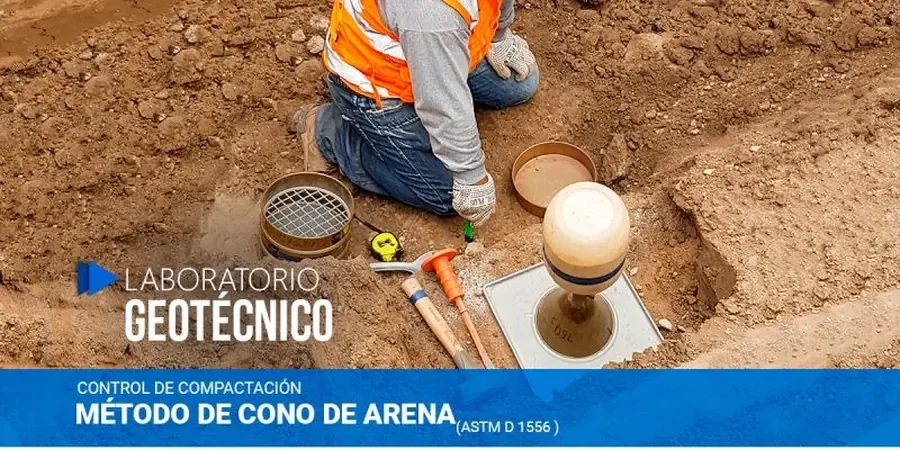
In-situ testing forms the cornerstone of geotechnical site investigation across Canberra, encompassing a suite of field-based methods that evaluate soil, rock, and groundwater conditions without removing samples from their natural state. This category covers essential procedures including penetration testing, strength assessments, density measurements, and permeability evaluations conducted directly on site. For engineers and builders in the ACT, in-situ testing provides immediate, reliable data that laboratory work alone cannot replicate, particularly given the region's complex geological profile and the stringent requirements of local construction codes.
Canberra's geology presents unique challenges that make thorough in-situ investigation indispensable. The city rests on a varied substrate of Ordovician metasediments, Silurian volcanics, and extensive Quaternary alluvial deposits along the Molonglo River corridor and its tributaries. Areas such as Belconnen and Tuggeranong feature deeply weathered dacitic and rhyolitic rocks, while North Canberra sits on the Canberra Formation—interbedded shales, sandstones, and limestones prone to differential weathering. Reactive clay soils common in districts like Gungahlin demand precise in-situ moisture and density profiling to predict shrink-swell behaviour. Without field-based testing, the risk of encountering unexpected ground conditions during excavation or foundation construction increases substantially.
Australian Standard AS 1726:2017 governs geotechnical site investigations nationally and is enforced throughout the ACT, setting minimum requirements for in-situ testing frequency, reporting, and interpretation. Specific methods align with complementary standards: cone penetration testing follows AS 1289.6.5.1, while field density determination—such as the field density test (sand cone method)—complies with AS 1289.5.3.1 for compaction control in earthworks. The ACT's own planning regulations, administered through the Environment, Planning and Sustainable Development Directorate, mandate geotechnical assessments for all Class 2 to 9 buildings under the National Construction Code, with particular scrutiny on sites near Lake Burley Griffin where variable fill and high water tables prevail. Compliance with these standards ensures that in-situ data withstands regulatory review and supports safe, durable designs.
The breadth of projects requiring in-situ testing in Canberra is extensive. Residential subdivisions in greenfield areas like Molonglo Valley demand compaction verification through nuclear gauge testing and sand cone methods to certify engineered fill. Commercial developments in the Parliamentary Zone often involve deep basements, where in-situ rock strength testing and borehole permeability assessments inform excavation support design. Infrastructure projects, including light rail extensions and stormwater upgrades, rely on dynamic cone penetrometer data to assess subgrade conditions along proposed alignments. Even smaller-scale works such as retaining walls on sloping blocks in suburbs like Red Hill benefit from in-situ shear strength profiling to prevent failures in Canberra's reactive soils.
In-situ testing evaluates soil and rock properties directly in the ground, preserving natural stress states, moisture conditions, and fabric that are inevitably disturbed during sampling. Laboratory tests, conducted on extracted samples, allow controlled parameter measurement but may not reflect field behaviour accurately. A comprehensive investigation typically integrates both approaches, with in-situ methods providing continuous profiles and immediate results that guide sampling intervals and confirm lab-derived values.
The number depends on site size, geological variability, and the proposed structure. For a standard single-dwelling block, AS 1726:2017 generally recommends a minimum of three boreholes or test pits with accompanying in-situ testing such as dynamic cone penetrometer profiles at each location. Sites with known reactive clays or fill may require additional density tests and moisture profiling to satisfy ACT building approval requirements.
Canberra's reactive clays respond well to cone penetration testing with pore pressure measurement, which identifies shrink-swell zones and quantifies undrained shear strength. Field moisture content determinations using nuclear gauges, alongside standard penetration tests, help establish seasonal variation profiles. For compaction control in clayey fills, the sand cone method remains a reliable reference technique accepted by ACT certifiers.
Providers should be NATA-accredited for the relevant test methods, ensuring compliance with AS 1289 and AS 1726 standards. Technicians performing field density testing must hold current certification, typically through a recognised training scheme. Additionally, familiarity with ACT-specific planning requirements and experience navigating the Territory's varied geological conditions are essential for producing defensible reports suitable for regulatory submission.