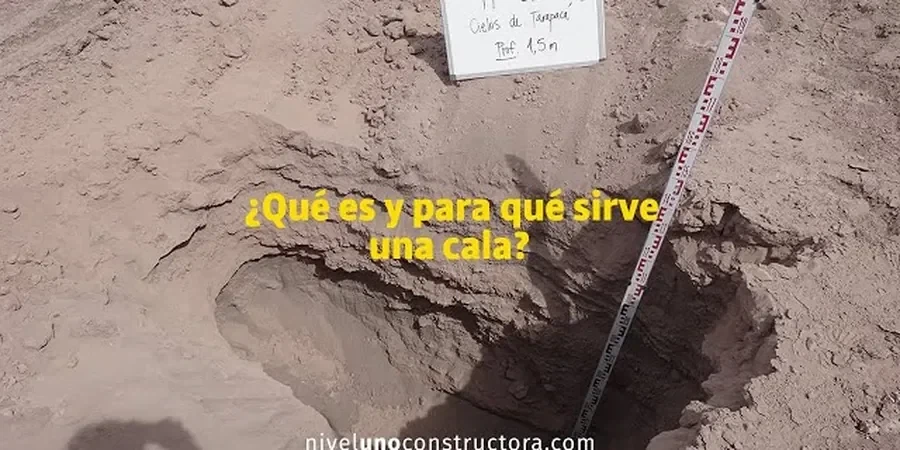
The excavator bucket breaks through the dry crust and within a metre you can see the story of the site: imported fill over decomposing Silurian volcanics, or maybe deep alluvial silts down near the Molonglo corridor. In Canberra, our exploratory test pit program uses 5- to 14-tonne tracked excavators to expose the shallow subsurface—usually down to 3.5 or 4 metres, deeper if the batter is cut safe. We log the strata against AS 1726, photograph the faces, and collect bulk samples for lab index testing. On sloping blocks in suburbs like Aranda or Isaacs, a pit placed at the toe and another at the crest quickly reveals whether that clayey sand is residual or transported, saving the structural engineer weeks of assumption. Before committing to a footing design, many jobs pair the pit log with SPT drilling when refusal depth needs confirmation beyond the excavator reach.
A well-logged test pit in Canberra’s variable ground often answers the site-class question faster than a borehole alone.
Regional considerations
A duplex development in O’Connor ran into trouble when the builder assumed the stiff red clay visible at the surface extended to two metres. The first test pit exposed uncontrolled fill—brick fragments, ash, and silt pockets—to 1.8 metres, overlying medium-dense sand that was wet at the base. The structural design had to switch from stiffened raft to pier-and-beam, and the stormwater layout was redesigned to move soakage away from the fill zone. In our experience, skipping exploratory test pits on infill blocks with mature landscaping is the single most common cause of late-stage footing redesign in Canberra. We schedule pits early, before the feature survey is finalised, so the civil and structural teams can adjust setback and level choices while the DA is still in play.
Q&A
How much does a residential test pit investigation cost in Canberra?
For most single-dwelling blocks in Canberra, a program of two to four machine-excavated test pits typically falls between AU$880 and AU$1.490. The spread depends on access (rear blocks with tight side setbacks cost more in labour and time), spoil disposal fees, and the number of samples sent to the laboratory. We can usually provide a firm quote once we review the block dimensions and the site’s slope.
Do I need test pits if a borehole has already been drilled on the block?
Often yes, and the two investigations answer different questions. A borehole gives you a continuous profile and SPT values at depth, while a test pit lets you see the lateral continuity of fill, inspect the footing bearing surface with your own eyes, and take larger, less-disturbed samples. In Canberra’s older suburbs where fill is patchy, a single borehole can miss a buried demolition layer that a pit would catch.
How close to the house or boundary can you excavate?
We routinely place pits 1.0 to 1.5 metres from the existing dwelling or side fence line, provided there is no deep service in the way. For pits deeper than 2 metres, the crest must be set back further or the excavation stepped to maintain a safe batter. We use vacuum excavation or hand potholing for the first 300 mm when DBYD plans show gas, water, or electrical alignments crossing the pit location.
What happens to the pit after the investigation is finished?
We backfill the pit with the excavated material in compacted layers—usually 200 to 300 mm lifts compacted with a plate compactor or the excavator bucket. The surface is left level and safe, and we note the backfill method on the log. If the pit intersected a trafficked area, we specify a thicker compacted cap or recommend reinstatement by the builder once the slab works commence.